

 See My Latest Article on HelloNation
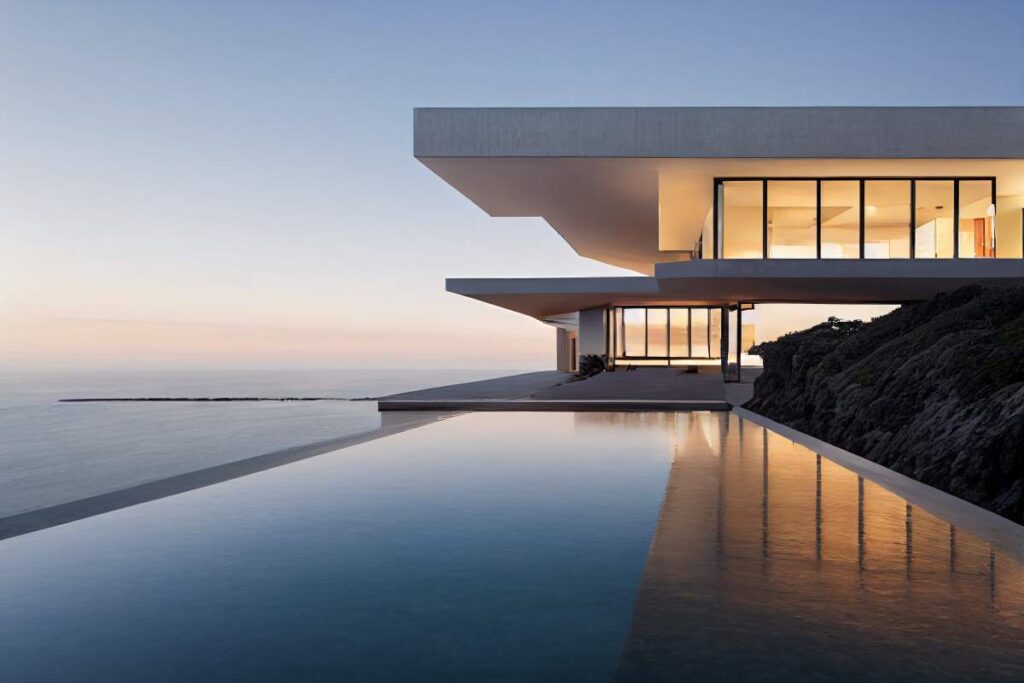
Buying a luxury home in Estero, FL involves more than comparing finishes, square footage, and asking prices. High-value properties often carry complex insurance requirements, association rules, maintenance obligations, flood considerations, and ownership costs that may not be obvious during a showing.
A careful purchase process examines how the property functions, not just how it looks.
Are buyers focusing too much on the interior design?
Yes. A polished interior can distract from structural, mechanical, and site-related concerns that are more expensive to correct.
Luxury properties may include large window systems, custom cabinetry, imported materials, smart-home equipment, elevators, outdoor kitchens, pools, generators, seawalls, or elaborate landscaping. Each feature adds maintenance responsibilities and potential replacement costs.
During due diligence, look beyond appearance and ask:
- How old are the roof, air-conditioning systems, water heaters, pool equipment, and appliances?
- Are replacement parts readily available?
- Were additions, enclosures, renovations, and major systems properly permitted?
- What warranties, manuals, service records, and maintenance logs will transfer?
- Are any specialized materials difficult or expensive to repair?
A home can be visually impressive while still requiring substantial near-term investment.
What insurance mistake is especially common in coastal Florida?
Many buyers estimate only the standard homeowners insurance premium and overlook separate or additional coverage considerations. A luxury property may require coverage for the structure, contents, valuable collections, detached features, water damage, wind-related losses, and flood exposure.
Flood risk should be reviewed separately from ordinary homeowners insurance. Lee County explains that flood zones influence insurance requirements, premiums, and construction standards. Properties in Special Flood Hazard Areas may be subject to mandatory flood insurance requirements when federally backed financing is involved. ([leegov.com](https://www.leegov.com/publicsafety/emergencymanagement/plan/floodinfo/floodzones?utm_source=openai))
Do not assume a property outside a high-risk flood zone has no meaningful flood exposure. Heavy rainfall, drainage patterns, nearby lakes or ponds, low-lying lots, and finished lower levels can still affect risk and coverage.
Before committing to a purchase, obtain written insurance information for the specific property. Ask about:
- Wind and hurricane deductibles
- Flood coverage and exclusions
- Replacement-cost limits
- Coverage for detached structures and outdoor features
- Water backup and mold-related limitations
- Loss-assessment coverage for association properties
- Requirements for shutters, impact-rated openings, generators, or roof updates
A preliminary quote is more useful than a general estimate based on neighborhood averages.
Is the flood zone the same as the evacuation zone?
No. Flood zones and evacuation zones address different risks and should not be treated as interchangeable.
A flood zone relates to flood probability, mapping, building standards, and insurance considerations. An evacuation zone is used for emergency planning during hazards such as storm surge. A property may have a lower mapped flood risk but still be located in an area subject to evacuation orders.
Lee County provides property-level flood information, including flood zones and base flood elevation data. The county also notes that drainage features such as lakes, ponds, swales, golf-course areas, and streets may temporarily hold water during heavy rainfall. ([leegov.com](https://www.leegov.com/dcd/flood/?utm_source=openai))
A buyer should review the specific parcel rather than relying on a nearby property, neighborhood reputation, or a prior owner’s experience.
What association documents should be reviewed before buying?
Association rules can materially affect how a luxury property may be used, renovated, rented, or maintained. Reviewing only the monthly assessment is a common mistake.
For homes within a planned community or condominium structure, examine:
- Current and proposed assessments
- Reserve funding and recent reserve studies, when available
- Pending litigation
- Insurance deductibles and coverage responsibilities
- Rules for exterior changes, generators, fencing, landscaping, and storm protection
- Rental restrictions and minimum lease periods
- Pet, parking, guest, and vehicle policies
- Maintenance responsibilities for roofs, roads, irrigation, gates, pools, and private amenities
- Meeting minutes that reveal recurring repair or financial concerns
A property may appear affordable until a major roof, drainage, seawall, road, or shared-system expense is allocated among owners.
Can a luxury home be over-improved for its surroundings?
Yes. High-end construction does not automatically guarantee strong resale performance.
A home with unusually expensive finishes, oversized additions, or highly personalized features may appeal to a narrow group of future buyers. The relevant question is not whether the property is attractive, but whether its quality and price are reasonably supported by comparable properties with similar location, lot characteristics, age, condition, and amenities.
Over-improvement can also affect insurance, property taxes, maintenance, and resale timing. A buyer should distinguish between improvements that provide broad utility—such as durable windows, efficient mechanical systems, sound drainage, and well-designed outdoor living areas—and improvements that primarily reflect personal taste.
What due-diligence mistake occurs with permits and renovations?
Buyers sometimes assume that visible work was properly permitted because the result looks professionally finished. That assumption can create problems later.

Unpermitted work may affect insurance, financing, resale disclosures, property records, and future renovation plans. In flood-prone areas, repairs and renovations can also be subject to additional requirements. Lee County states that permits are required for repairs or renovations to structures in Special Flood Hazard Areas. ([leegov.com](https://www.leegov.com/dcd/Flood?utm_source=openai))
Review permit records for additions, enclosed lanais, pool structures, electrical work, plumbing changes, generators, roof replacements, and major interior alterations. Confirm that permits were finalized rather than merely issued.
If records are unclear, resolving the issue before closing is generally safer than assuming it will not matter later.
Are buyers underestimating ownership and maintenance costs?
Luxury ownership is often defined by ongoing operating costs rather than the purchase price alone.
A larger home may have multiple air-conditioning systems, extensive landscaping, irrigation, pool equipment, backup power, security systems, specialty lighting, and more frequent exterior maintenance. In a warm, humid climate, moisture management, pest prevention, roof upkeep, sealants, paint, and mechanical servicing can be recurring expenses.
Create an annual ownership budget that includes:
- Insurance premiums and deductibles
- Association assessments
- Utilities and irrigation
- Pool and landscape maintenance
- Pest and moisture control
- Preventive roof and exterior maintenance
- Storm preparation and post-storm repairs
- Replacement reserves for major systems
- Property management or monitoring costs if the home is unoccupied
For seasonal households, also consider how the property will be inspected and secured during extended absences.
What is the mistake of waiving inspections too quickly?
A competitive offer should not automatically eliminate meaningful inspections. A standard home inspection may not fully evaluate every feature found in a luxury property.
Additional review may be appropriate for roofs, seawalls, docks, pools, elevators, generators, solar equipment, wells, septic systems, drainage, seawater exposure, and complex electrical or mechanical systems. These inspections are particularly relevant when a defect could create a safety risk, violate code, or produce a major financial liability.
Inspection reports should be read alongside seller disclosures, permits, insurance information, association records, and repair invoices. No single document provides a complete picture.
How can buyers avoid rushing because a property feels rare?
Scarcity can encourage emotional decisions, especially when a home has an unusual lot, private setting, custom design, or extensive upgrades. The risk is paying for features that do not suit the buyer’s actual use of the property.
Before making a final decision, consider:
- How often will the home be occupied?
- Are the floor plan and maintenance demands practical?
- Will guests, aging household members, or future residents be comfortable?
- Are outdoor spaces usable during different weather conditions?
- Is privacy dependent on landscaping that requires constant care?
- Would a future buyer value the same specialized features?
The strongest luxury purchase is not necessarily the most elaborate one. It is the property whose location, construction, carrying costs, rules, and maintenance obligations remain manageable after the excitement of the showing has passed.