

 See My Latest Article on HelloNation
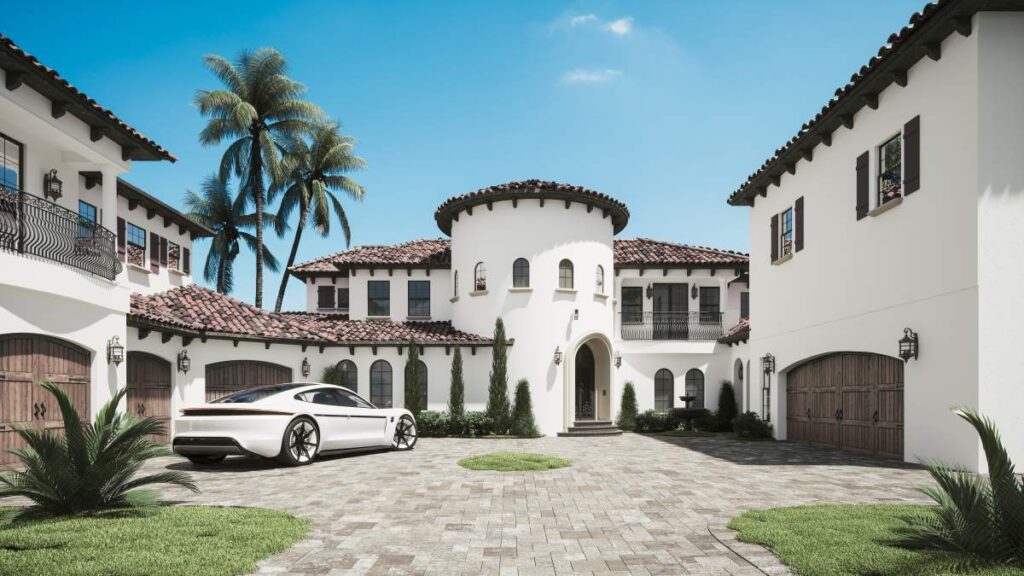
What gives a buyer leverage in a luxury home negotiation?
The strongest negotiations are based on evidence, timing, and flexibility—not simply offering less than the asking price. In Estero, FL, a buyer’s leverage may come from the property’s condition, length of time on the market, seller timing, insurance considerations, or terms that make the transaction easier to complete.
Luxury homes often have fewer directly comparable sales than conventional properties. A waterfront setting, custom construction, expansive lot, private dock, pool, outdoor kitchen, or highly specialized interior can make pricing less straightforward. The goal is to understand what the property is worth to the broader market, not merely what it is worth to one buyer.
Before making an offer, review:
- Recent sales of similar homes, especially those with comparable size, age, features, and setting
- Current competing listings and how long they have been available
- Price reductions or previous changes in listing strategy
- The home’s roof, windows, mechanical systems, pool, seawall, dock, and exterior features
- Insurance availability and estimated costs
- Homeowners association fees, assessments, restrictions, and maintenance responsibilities
- The seller’s preferred closing date, occupancy needs, or other transaction priorities
A property that appears expensive may be reasonably priced if it has exceptional construction, recent improvements, or a setting that rarely becomes available. Conversely, a beautifully presented home may still be overpriced if major maintenance or ownership costs have been overlooked.
Should the first offer be substantially below asking price?
Usually, the first offer should be defensible rather than dramatically aggressive. A very low offer can discourage productive negotiations, especially when the seller has strong market evidence or little urgency to sell.
A better approach is to identify a reasonable offer range. The lower end should reflect measurable concerns, such as deferred maintenance, limited comparable sales, high insurance costs, or a long marketing period. The upper end should reflect the maximum price that still makes financial sense after accounting for repairs, operating costs, and future resale considerations.
For example, a buyer might offer less than the asking price because the roof is nearing the end of its expected life and insurance documentation is incomplete. That position is stronger when supported by inspection findings, contractor estimates, or comparable sales—not simply by a preference for a discount.
Avoid revealing the highest acceptable price at the start. A clear, well-supported offer leaves room to respond if the seller counters.
Which contract terms can matter as much as price?
In luxury transactions, the highest offer is not always the most attractive offer. Sellers may value certainty, a clean timeline, and fewer obstacles.
Terms that may improve an offer include:
- A closing date that matches the seller’s plans
- A larger deposit, provided the buyer understands when it becomes at risk
- Proof of available funds or a credible financing plan
- A carefully defined inspection period
- Limited requests for minor cosmetic repairs
- Flexibility regarding personal property, furnishings, or artwork
- A practical response deadline
- A willingness to accommodate the seller’s need for a short post-closing occupancy period, if appropriate
These terms should never remove protections that are necessary for the buyer. A shorter inspection period may make an offer more competitive, but it also gives less time to investigate complex systems. Luxury properties frequently contain elevators, generators, smart-home equipment, seawalls, irrigation systems, specialty roofs, and custom pools that require more than a brief visual review.
The best offer balances seller convenience with reasonable safeguards.
How should inspections be used during negotiations?
An inspection is both a protection and a source of negotiation evidence. It should not be treated as a list of minor imperfections to use for reopening the entire deal.
Focus on issues that affect safety, insurability, functionality, or significant future expense. In a coastal Florida setting, this may include:
- Roof condition and installation records
- Evidence of wind or storm damage
- Window, door, and garage-door protection
- Water intrusion, drainage, or moisture concerns
- Electrical and plumbing systems
- Air-conditioning performance and age
- Pool equipment and structural condition
- Seawalls, docks, retaining structures, and drainage features
- Termite or other wood-destroying-organism concerns
- Generator installation and service records
- Permits for additions, enclosures, renovations, or major equipment
A buyer may request that the seller complete a repair, provide a credit, reduce the price, or share a documented cost. Credits can be useful when the buyer wants control over the work after closing, but lender rules and contract terms may limit how credits are structured.
The inspection should also be reviewed alongside insurance requirements. A roof or electrical issue that seems manageable from a maintenance perspective may become more serious if it affects the ability to obtain or renew coverage.
What should buyers know about appraisals?
An appraisal is not the same as a home inspection. An inspection evaluates condition; an appraisal provides an opinion of market value for the lender or transaction.
Luxury appraisals can be challenging because custom features do not always produce clear comparable sales. A buyer paying cash may not require an appraisal, but an independent valuation can still help identify whether the agreed price is reasonable.
If the appraisal comes in below the contract price, several options may be available:
- Ask the seller to reduce the price
- Split the difference
- Increase the buyer’s cash contribution
- Challenge factual errors or missing comparable information
- Reconsider the purchase if the contract includes an appraisal contingency
An appraisal should be reviewed carefully for errors involving square footage, lot characteristics, upgrades, waterfront or water-access features, condition, or permitted improvements. Paying substantially more than an appraised value may be reasonable in rare circumstances, but the buyer should understand that the difference is effectively an additional cash investment.
How do insurance and storm-related risks affect price?
Insurance costs can materially change the true cost of a luxury home. Before finalizing an offer, investigate whether coverage is available, what deductibles apply, and whether the property has features that may affect underwriting.
Important questions include:
- How old is the roof, and are permits and inspection records available?
- Have the windows, doors, and roof been updated for current standards?
- Has the property experienced water intrusion, flooding, or storm damage?
- Are flood insurance and wind coverage separate considerations?
- Are there shared structures or community assessments related to storm protection?
- Does the property contain expensive systems or finishes that require specialized coverage?
A price reduction may be appropriate if the buyer discovers unusually high ownership costs. However, a lower purchase price does not necessarily solve an insurance problem. Coverage should be investigated early, before inspection and financing deadlines create pressure.
Is it better to negotiate repairs, a price reduction, or a credit?
The best choice depends on the issue and the buyer’s priorities. A price reduction lowers the purchase price but may not provide enough immediate cash for repairs. A seller-completed repair can be useful for urgent safety or water-intrusion issues, although the buyer may have limited control over the quality of the work.
A credit may offer more flexibility, particularly when the buyer wants to select materials or contractors after closing. Yet credits can be restricted by loan guidelines and may not cover every expense.
For significant repairs, the agreement should identify the scope of work, required documentation, completion deadlines, permits, warranties, and the buyer’s right to verify the result. Vague promises create avoidable disputes.
What mistakes weaken a luxury home negotiation?
Common mistakes include negotiating from emotion, relying on the asking price as proof of value, ignoring carrying costs, and waiving protections without understanding the consequences.
Other problems include:
- Treating furnishings as though they automatically add full retail value
- Assuming a remodeled interior means the major systems are also updated
- Failing to verify permits for additions or renovations
- Overlooking association rules or pending assessments
- Waiting too long to investigate insurance
- Making repeated small demands instead of prioritizing major concerns
- Focusing only on purchase price instead of total ownership cost
- Allowing deadlines to pass without written extensions or clear communication
A disciplined negotiation keeps the discussion focused on value, risk, timing, and practical outcomes. The objective is not to win every point. It is to reach terms that reflect the property’s condition and protect the buyer from costs that were not visible at the first showing.